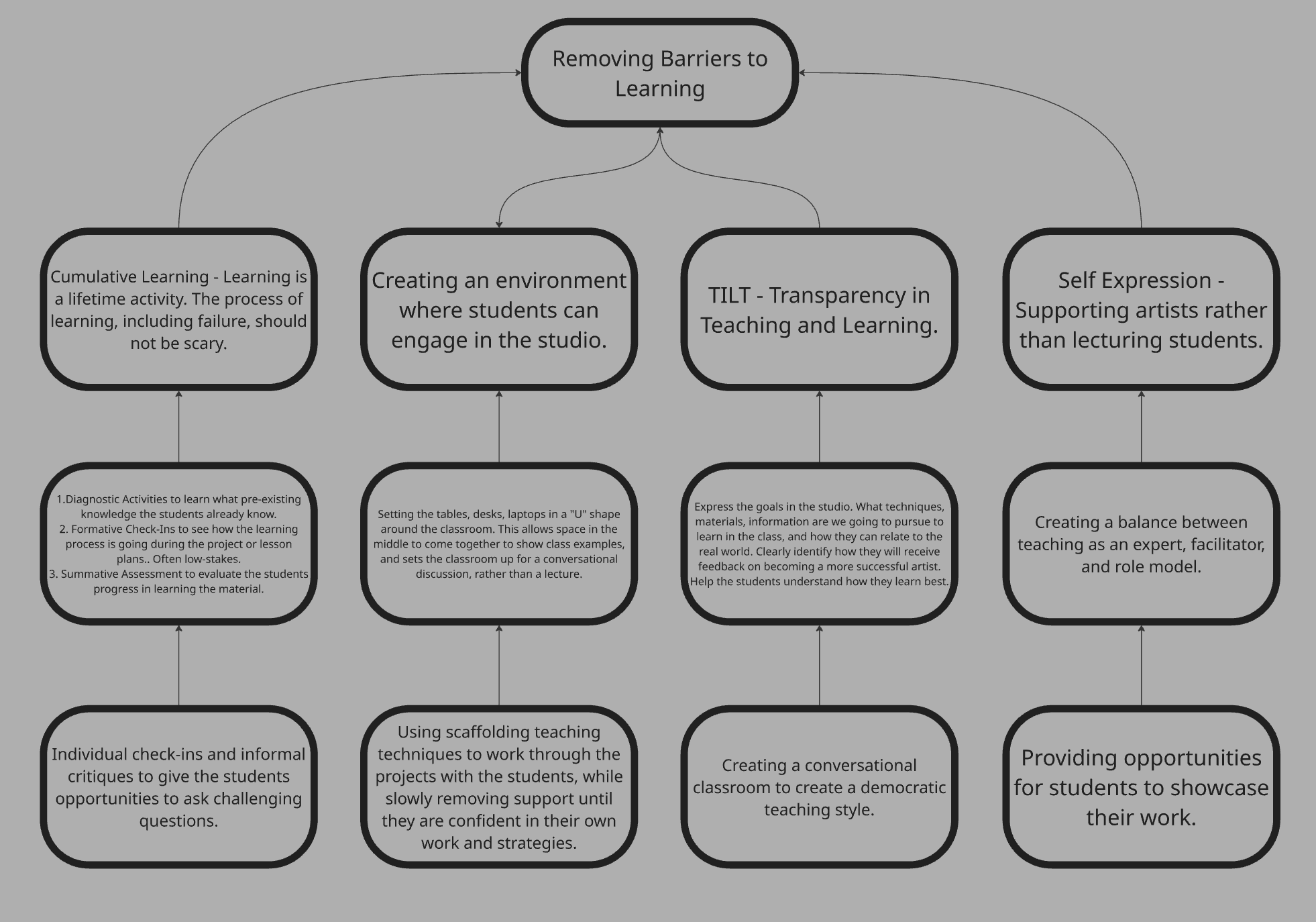
Photographer - Artist - Storyteller

When I was still a child, I emptied my closet of clothes, squeezed in a small black drawing desk, and covered the walls with artwork. This was the beginning of my first studio. It was the moment I declared to the world that I was an artist.
I am an image based artist rooted deeply in the Midwest. While born in the suburbs of Indianapolis, the Midwest architecture and landscape continues to shape my understanding of people, place, and memory. I often look at creating visual narratives to explore the intricate dynamics of interpersonal relationships, illuminating their profound interplay with the environments we inhabit. I am interested in how these images show an evolving relationship between work and life, belonging and departure, presence and absence.
My work takes the form of constructed images often including aspects of installation. Through deliberate manipulation of the lighting, environment, and natural color of the work I transform familiar spaces into performative places of memory and emotion. The process of creating the work itself becomes an act of storytelling. Each decision from the artificial lighting, costuming, furniture, or prop I am using in the composition then becomes a purposeful part of the narrative I am unveiling. The work becomes a dynamic depiction of my interpretation of rural life in the Midwest with the goal of exposing poetic emotions to form a sense of nostalgia.
As a lens based storyteller, I challenge the viewer to think deeper about the specific narrative exhibited. Through my work, I examine societal norms as a means of provoking critical reflection on the fundamental emotions of human experience.

Teaching Philosophy and Notes
I am an artist committed to cultivating the next generation of visual creators. My practice extends beyond the studio into the learning space, where I focus on creating artists rather than simply instructing students. By adapting my teaching to each individual, I foster curiosity, experimentation, and critical thinking to encourage emerging artists to discover their own voices and develop the confidence to express them.
Notes from observing the Classroom:
Organize the classroom to bring students together to promote communication.
Continue to repeat the basics.
Create handouts with spacing. Encouraging students to take notes as they follow the lesson.
Spend time making sure the students are comfortable with the classroom, resources, and technology.
Maintain awareness to different learning styles and accessibility of the students.
Ask questions to students to support classroom engagement.
Create lesson plans to create consistent structure in classroom.
Working Teaching Philosophy:
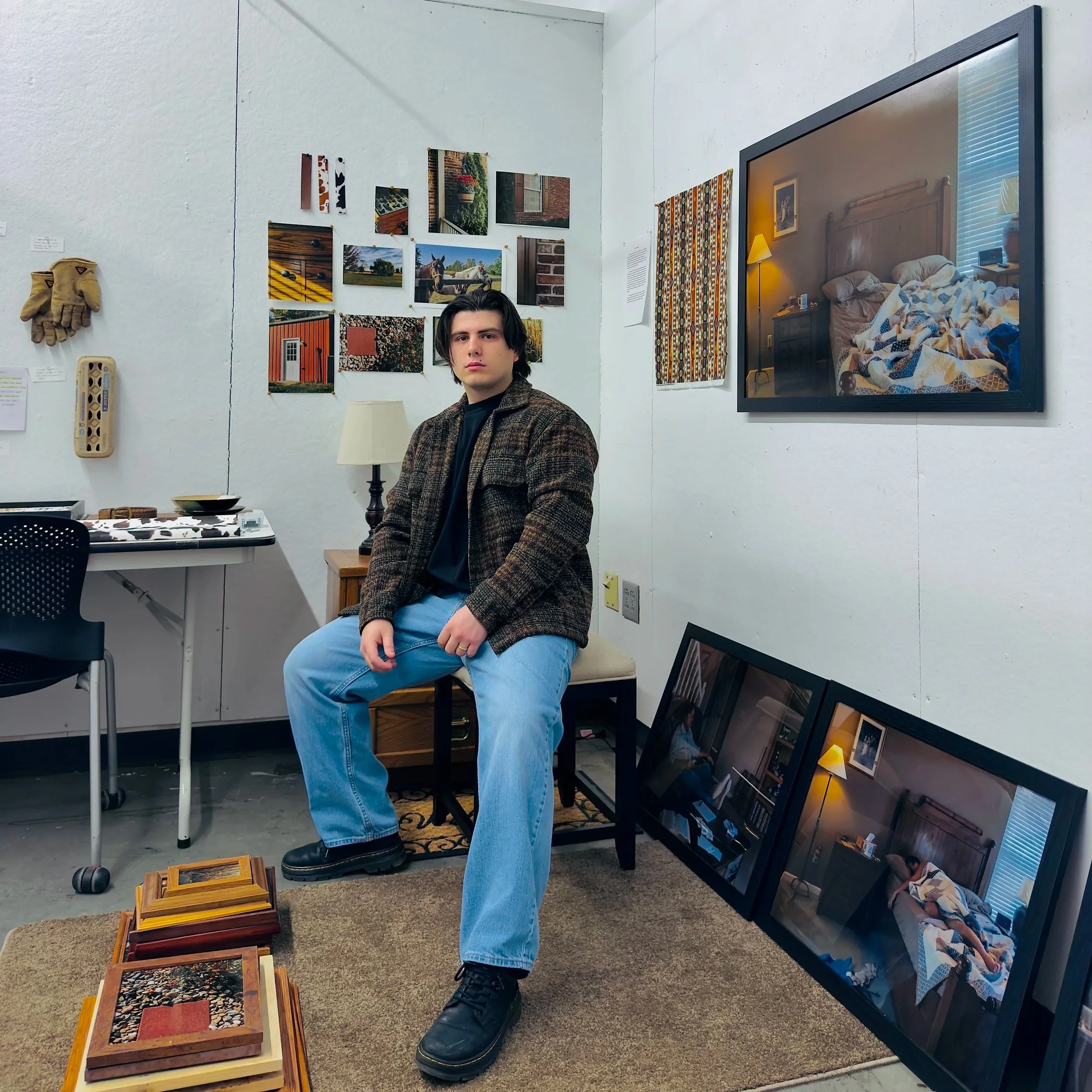
As a child I cleared out my closet and squeezed in a small black desk, creating my first studio. I hung my work on the white walls of the closet and created my first gallery. It was here that I first had the space to create and display my work, supporting my artistic ambitions. This moment in my life grounds my teaching philosophy: a commitment to removing barriers to learning so that artists can fully pursue their creative and intellectual potential. In the studio classroom, these barriers often include fear of failure, limited opportunities for artists to showcase their work, and restrictive physical or institutional structures.
I think about the studio as a site where creative curiosity and research intersect. Students arrive with diverse experiences, disciplinary backgrounds, and levels of preparation, and I treat these differences as starting points. Early diagnostic activities, such as low-stakes assignments, help me understand students’ prior knowledge. Often these early assignments include a narrative element, prompting students to start thinking about how their art and life experiences have shaped who they are. I prioritize consistent communication in the studio, where conversations generate questions and lead to co-creation. These exchanges emphasize that creating art is a process that includes critical components of research, iteration, and discovery through failure.
My teaching balances multiple roles: instructor, facilitator, and role model. While I provide technical instruction and critical insight, I also prioritize experimentation and reflective critique. I structure the classroom to support collaboration and dialogue rather than passive listening. For example, arranging desks and workstations in a U-shaped configuration allows students to easily share work, view demonstrations, and participate in group discussions. This is especially important in a darkroom or computer lab where the environment is traditionally set up in ways that create physical barriers. The goal is to strategize ways these physical walls can be removed.
Equally important is students’ ability to articulate their work within broader cultural and theoretical contexts. Through artist statements, critiques, public presentations, and exhibition opportunities, students develop the ability to communicate their ideas with clarity and intention. Even simply having hallway installations of student work and classroom artist talks provide opportunities for students to be reminded that they are artists, and the work they are making is valued.
I am committed to mentoring students as developing artists and thinkers. My goal is not only to support technical and conceptual growth, but to help students build sustainable, self-directed practices that extend beyond the classroom. Teaching in the studio is not only about transferring knowledge, but about guiding students as they discover their own artistic identities and strategies for lifelong learning and making.
Student Work Examples:
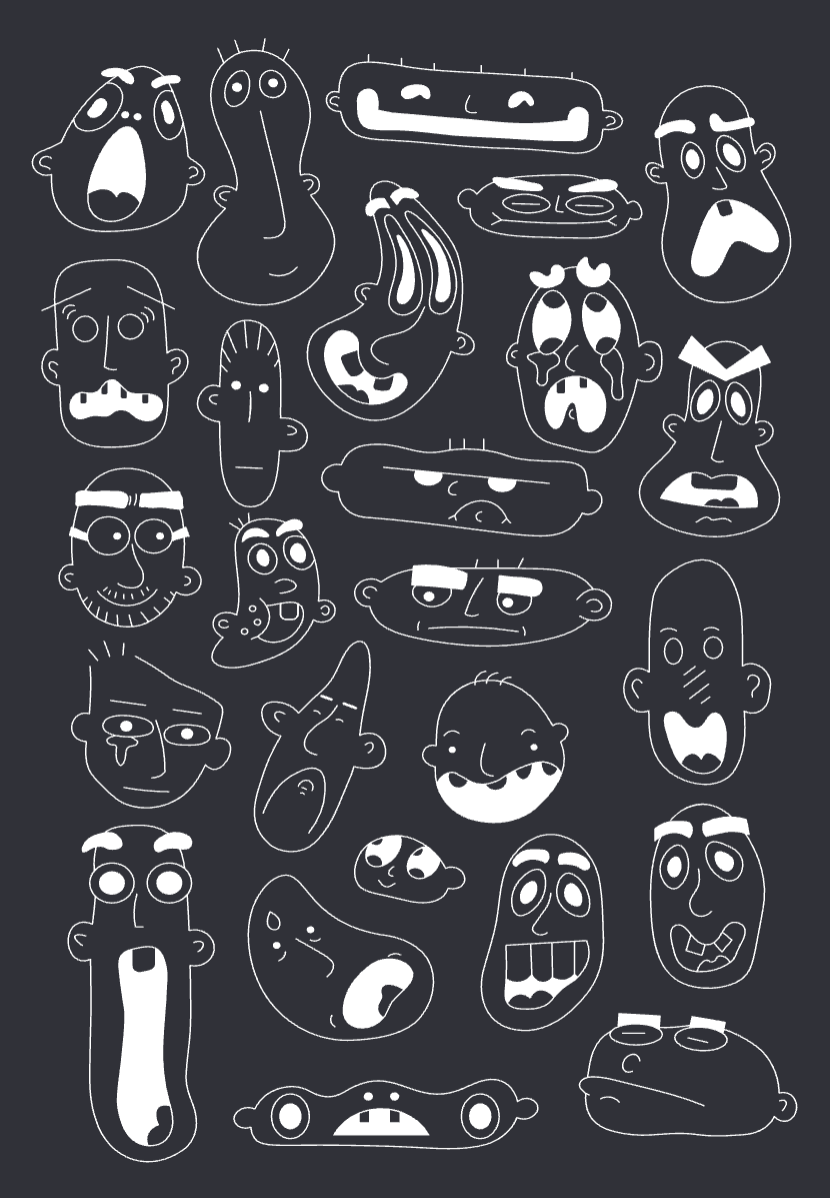
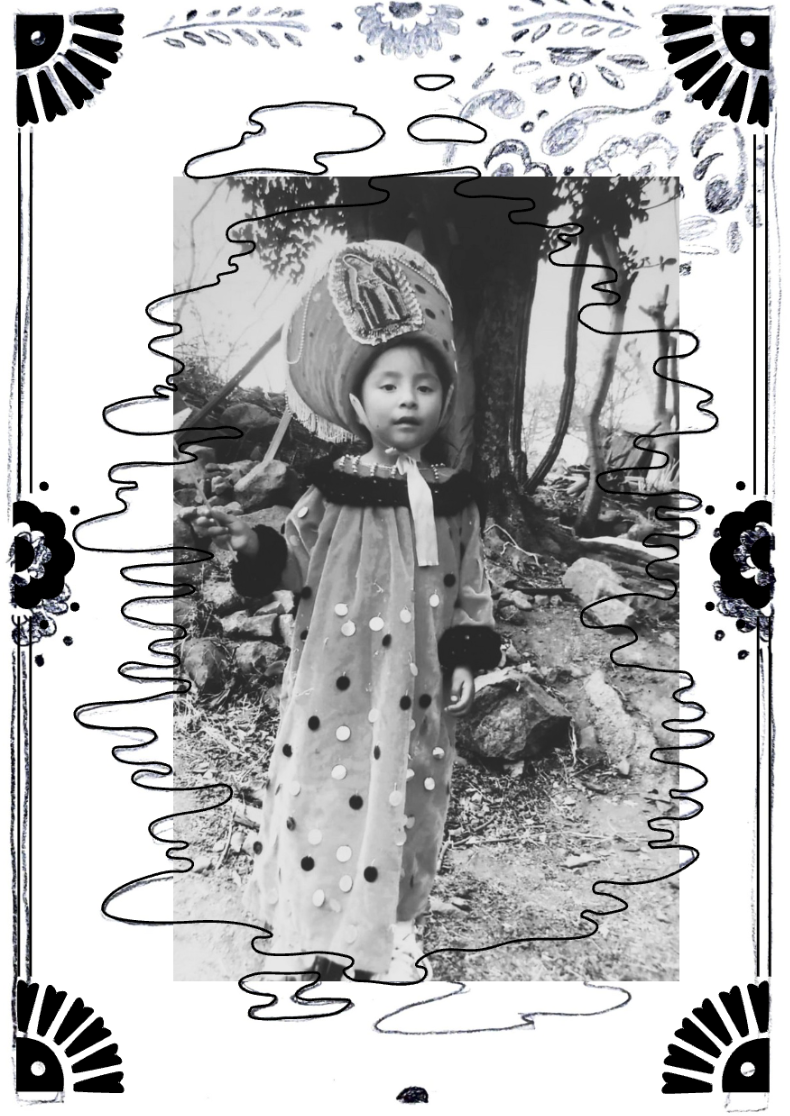
Digital Design: This was a digital design made to learn how to manipulate an image into something that could be etched.
Student: Katie Perez
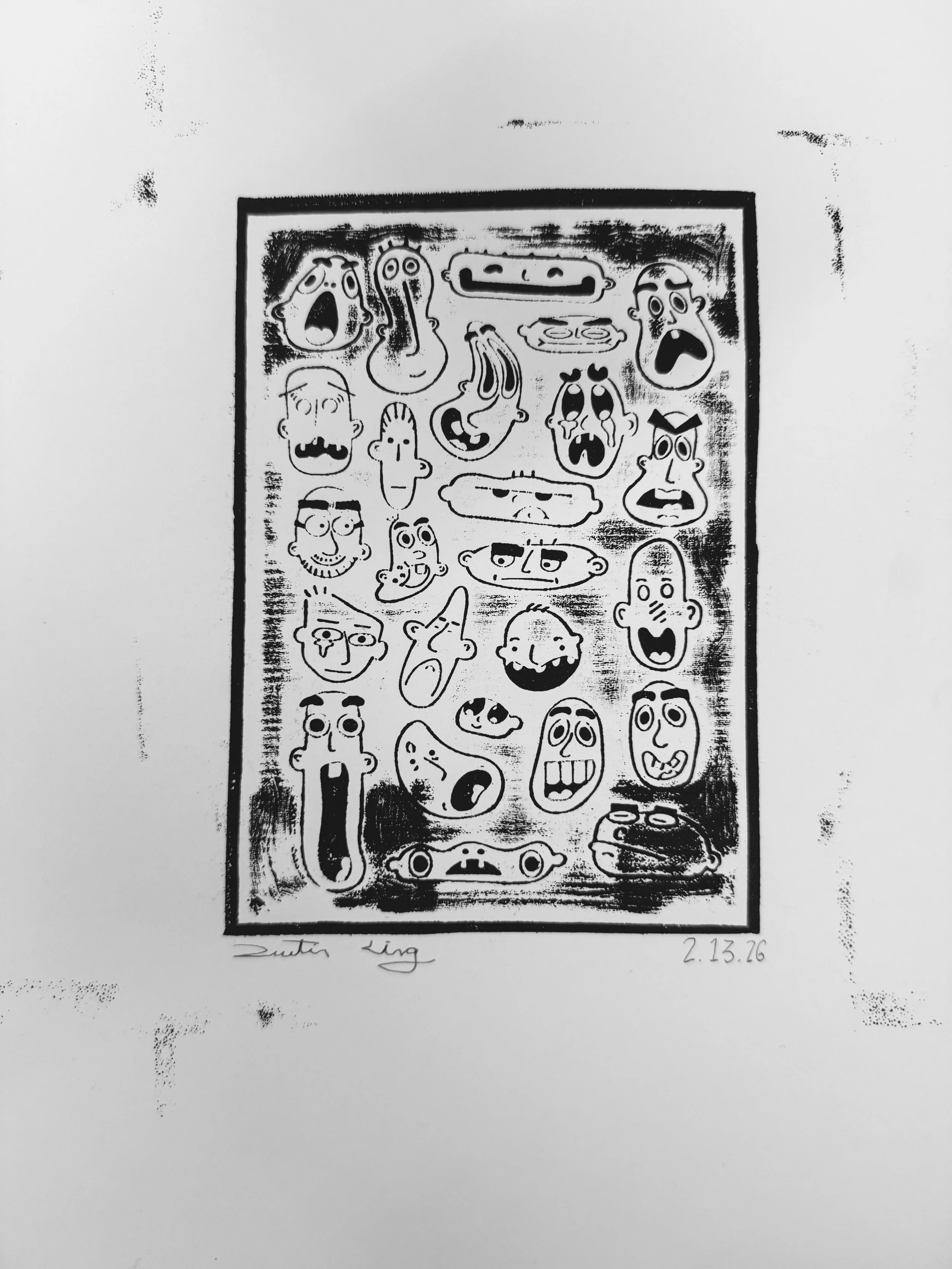
For this assignment, students were asked to use the Laser Machine to engrave a drawing, image, or design into a piece of wood or card stock. They then used that card stock to create Linocut Prints. Image to the Left is the digital design. Image to the Right is the final print.
Student: Dustin King
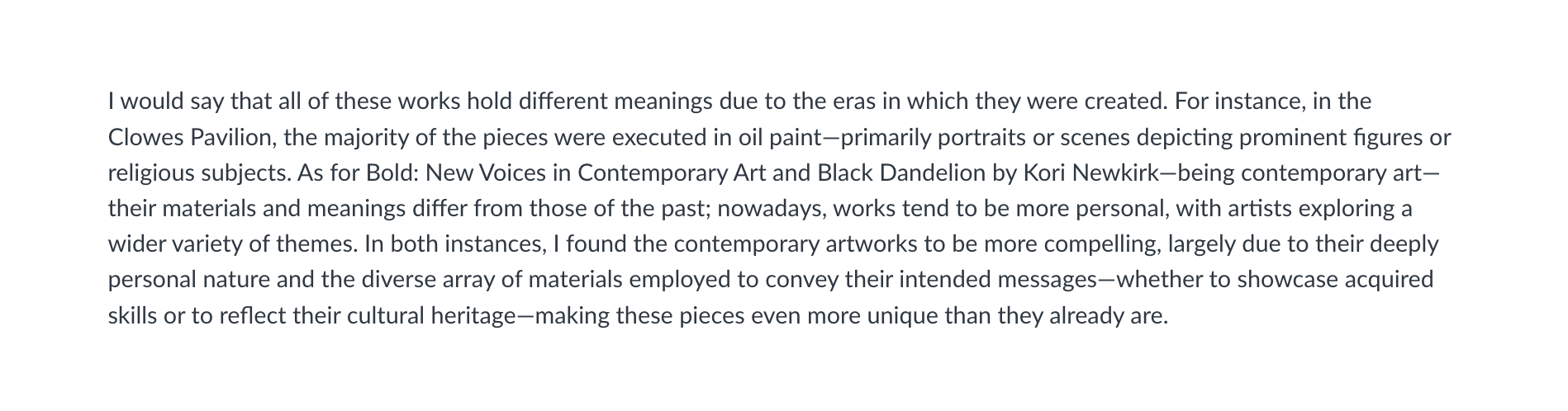
Sample Writing Reflection: This writing was a reflection from a student’s visit to the Newfields Art Museum.
Student: Katie Perez